Utility Bills Guide: Simple Ways to Stop Overpaying Every Month

Utility bills guide to cut your electric, gas, and water costs every month. Simple changes that save $75 to $150 with no big investment.

Your utility bills guide starts with an uncomfortable number. The average American household now pays around $610 per month for utilities, and that figure has climbed steadily for years. Electricity alone is up nearly 50% since 2020. Gas more than doubled over the same period. Water bills are not far behind. Most people just pay … Read more

Buy Store Brands: How the Bulk Buying Trap Empties Your Wallet

Buying in bulk isn't always a deal. Learn how to buy store brands at regular stores to save $50-100 a month without the hidden waste.

It is hard to walk down a grocery aisle right now without feeling a little bit of sticker shock unless you buy store brands. Prices on everyday items are high, and families are looking for any possible way to protect their cash. For a lot of people, the immediate reaction is to go big. We … Read more

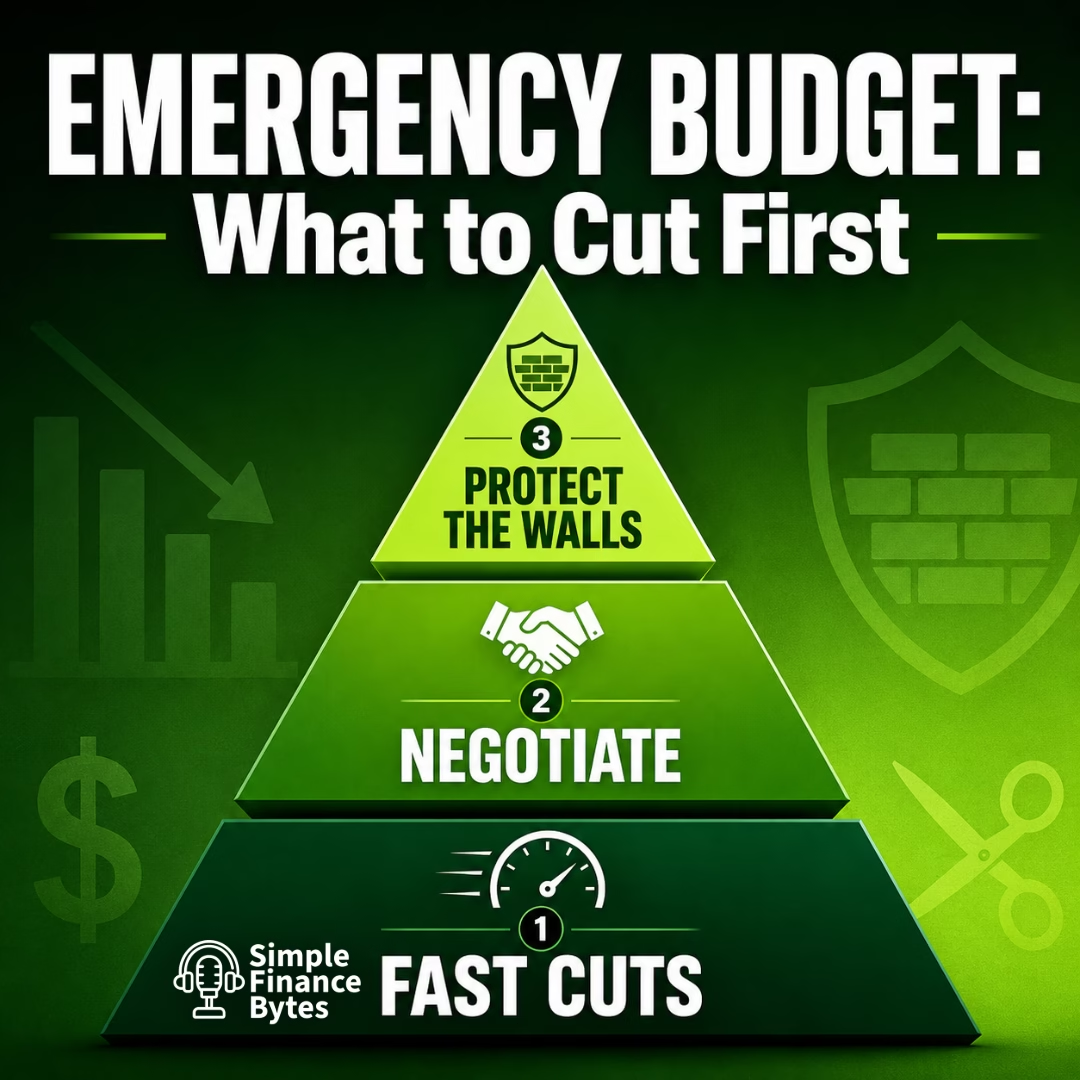
Emergency Budget: What to Cut First When Money Gets Tight

Emergency budget guide for when money gets tight. Learn the 3 tiers of what to cut, negotiate, and protect to save 300 to 800 dollars now.

An emergency budget is not the same as your regular monthly spending plan. Most budgets are designed for normal times when the goal is optimization or slow growth. But when the economy gets loud—with rising food prices, market swings, and the shaky ceasefire talks in Islamabad—you need a system for financial triage. You need to … Read more

Food Waste Costs: Stop Throwing Away $100+ Monthly

Food waste costs households hundreds monthly. Simple storage fixes and meal planning cut spoilage dramatically. Save hundreds to thousands.

Food waste costs the average American household somewhere between $100 and $200 every single month. That’s not loose change adding up over time. That’s real money going straight into the trash because food spoiled, went stale, or sat forgotten in the back of the fridge until it was no longer safe to eat. The EPA … Read more